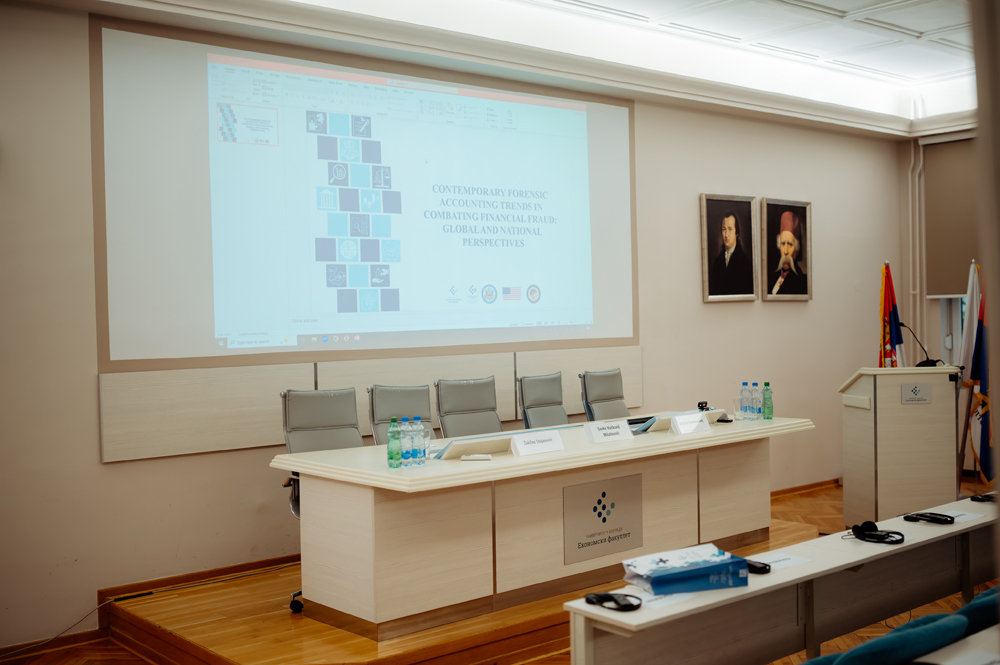
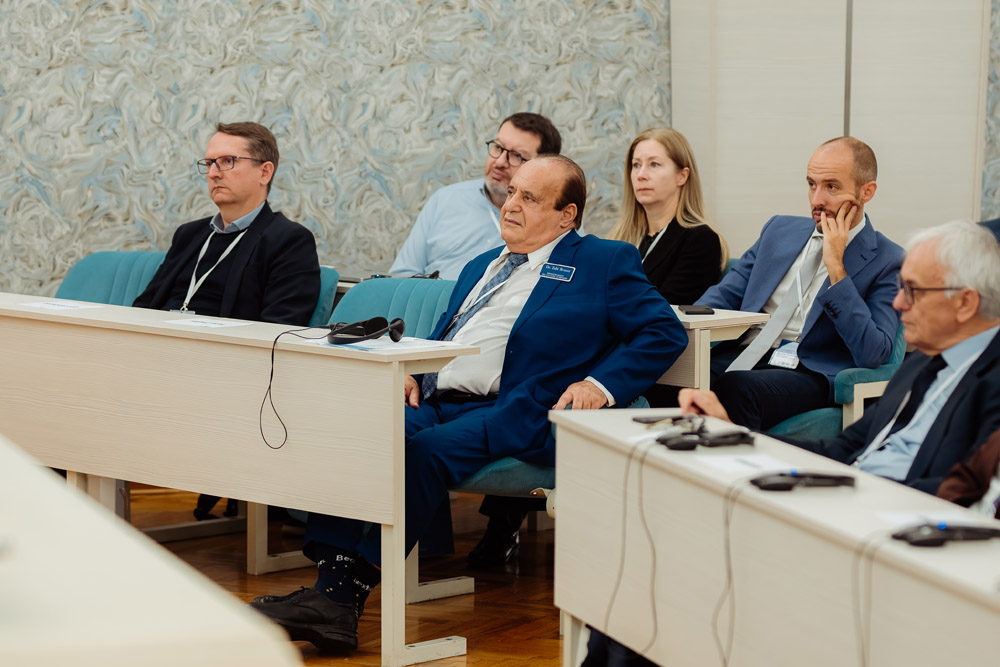
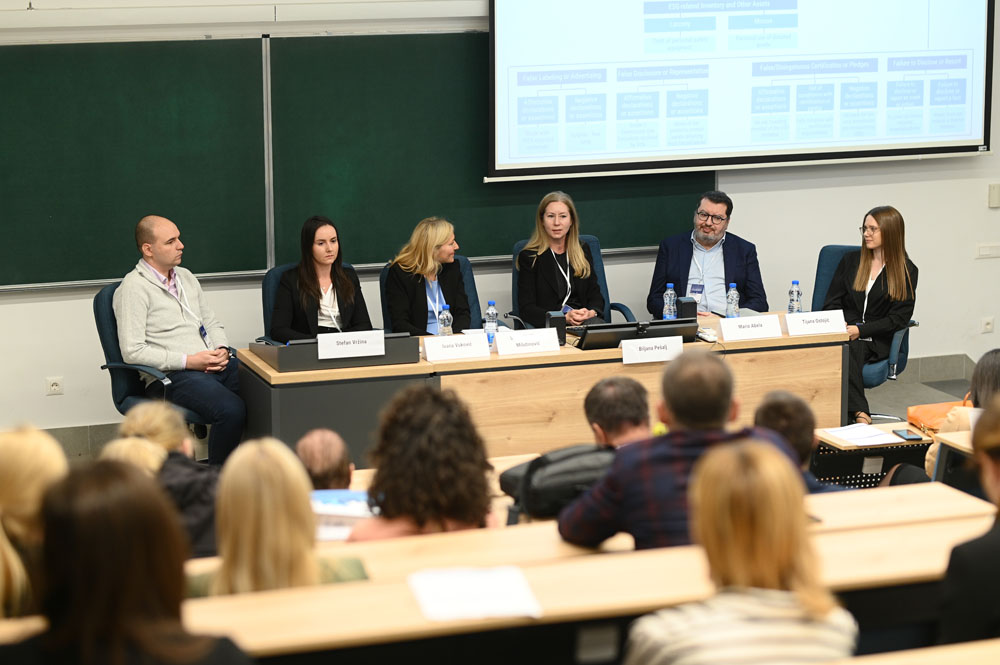
The Second Conference on Forensic Accounting was held at the Faculty of Economics and Business, University of Belgrade, on October 3–4, 2025. Under the title Contemporary Forensic Accounting Trends in Combating Financial Fraud: Global and National Perspectives, the conference brought together leading international and domestic experts, academics, practitioners, and representatives of public institutions involved in the prevention, detection, and suppression of financial crime.
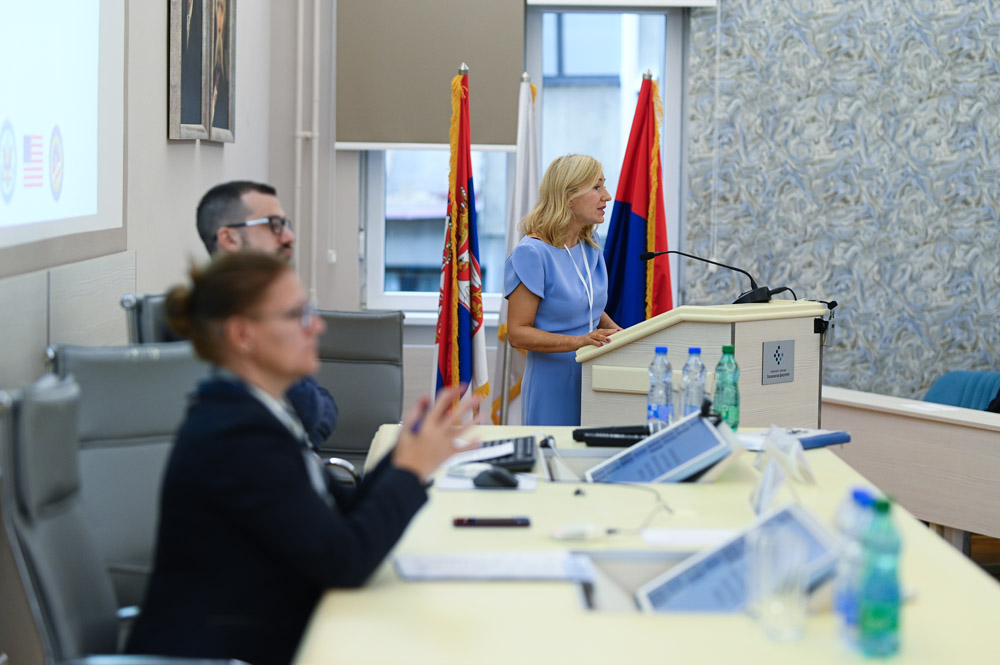
The conference provided a platform for discussing the growing role of forensic accounting in addressing financial fraud and other forms of economic crime, while showcasing current developments, emerging challenges, and best practices from both global and national perspectives. The event was organized within the framework of the project Building Forensic Accounting Capacity in Serbia, supported by the United States Bureau of International Narcotics and Law Enforcement Affairs.
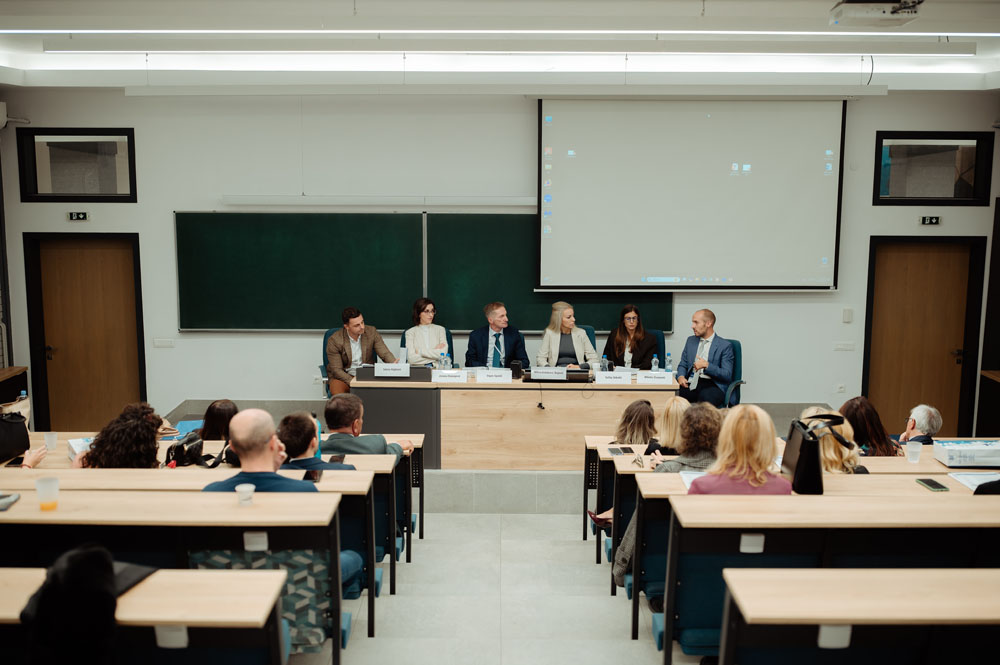
A particular highlight of the conference was the plenary session, which featured distinguished international experts who addressed some of the most pressing issues in forensic accounting, market integrity, and anti-corruption efforts.
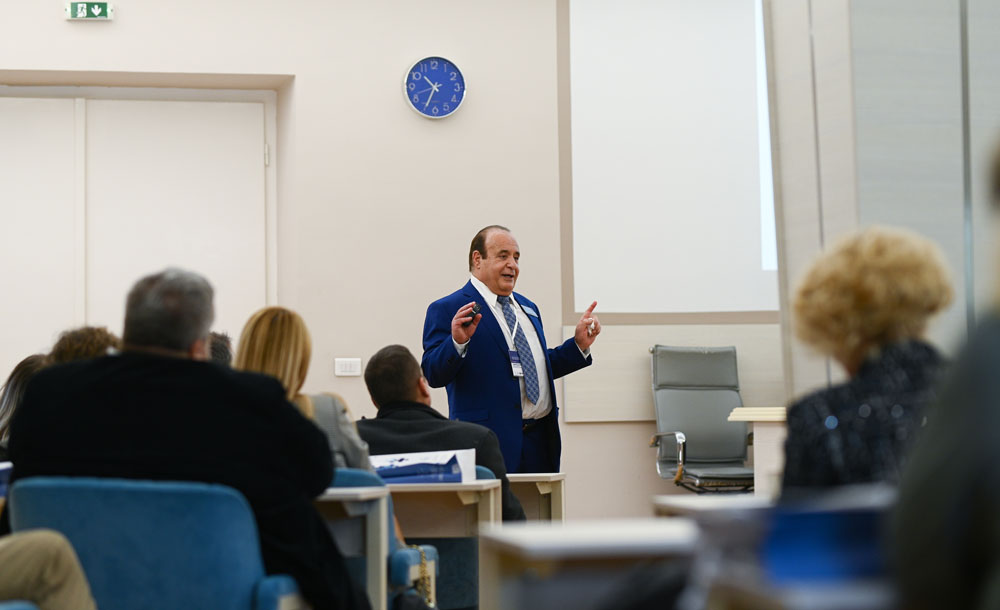
The opening plenary lecture was delivered by Professor Zabi Rezai of the University of Memphis, one of the world's leading authorities in forensic accounting and a researcher ranked among the top 2% of the most-cited scientists in the Stanford–Elsevier ranking. His presentation, The Use of Artificial Intelligence Technologies in Forensic Accounting, attracted considerable interest from participants. Professor Rezai explored the role of artificial intelligence in preventing and detecting financial statement fraud, examined the effectiveness of existing anti-fraud policies and practices, and demonstrated innovative applications such as Fraud-BERT in forensic accounting and fraud investigation.
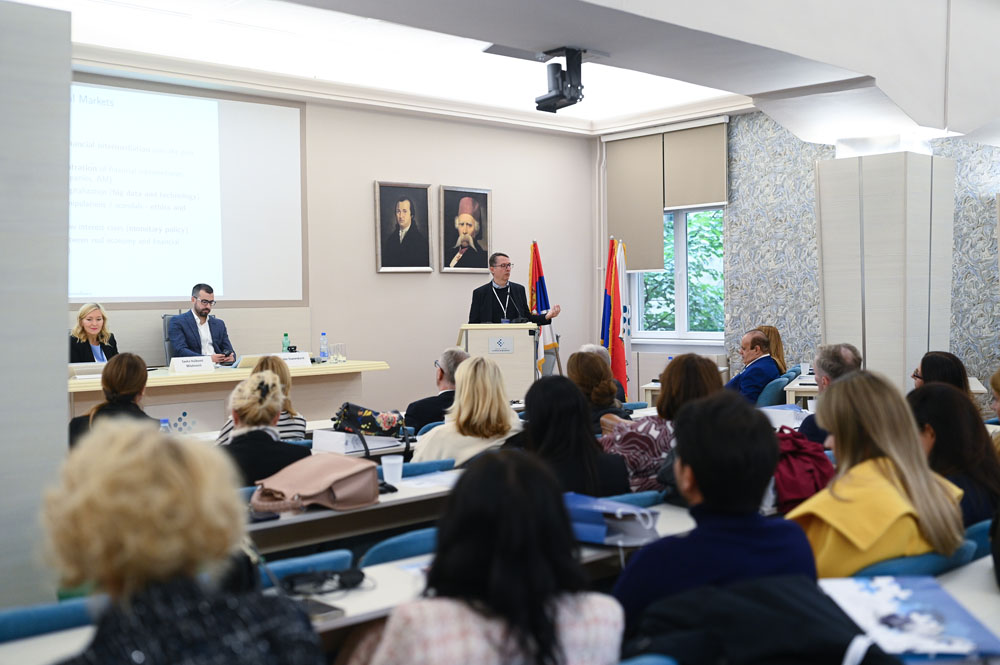
The second plenary lecture was given by Professor Igor Lončarski of the University of Ljubljana, who addressed the topic Market Integrity Between Trust, Regulation, and Surveillance. His presentation highlighted the importance of reducing information asymmetries and moral hazard, the limitations of purely compliance-based approaches to regulation, and the growing significance of organizational culture, qualitative disclosures, surveillance mechanisms, and whistleblowing in strengthening market integrity.
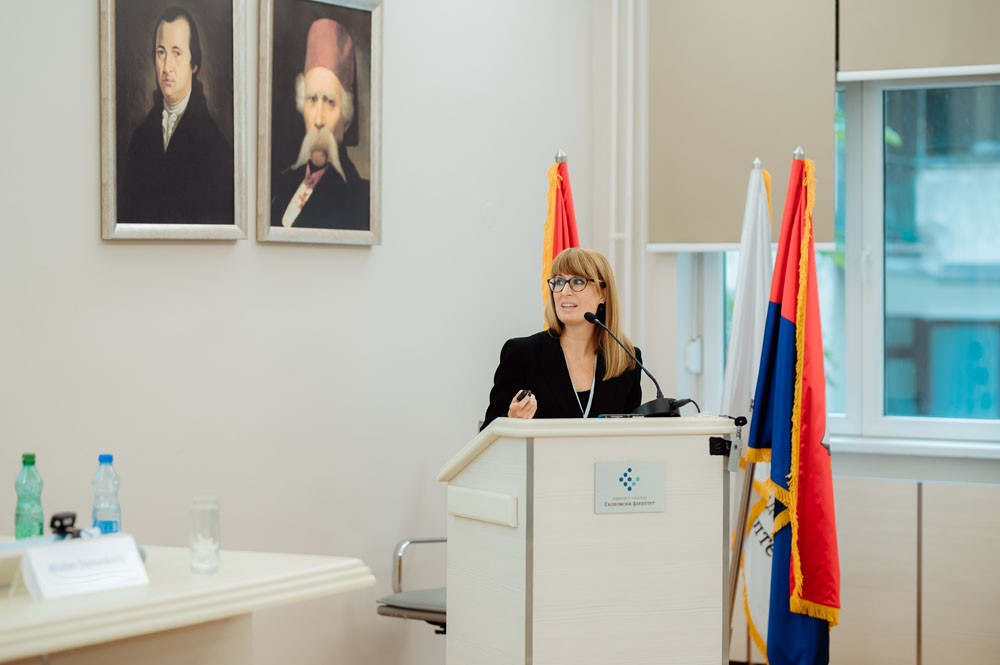
The plenary session concluded with a lecture by Dr. Tena Prelec of the Centre for Advanced Studies, University of Rijeka, entitled Transnational Linkages: How Enablers, Corrosive Capital, and Networks Sustain Kleptocracy. Her presentation provided valuable insights into the international networks and mechanisms that facilitate corruption and kleptocratic practices, emphasizing the importance of cross-border cooperation and transparency in combating financial crime.
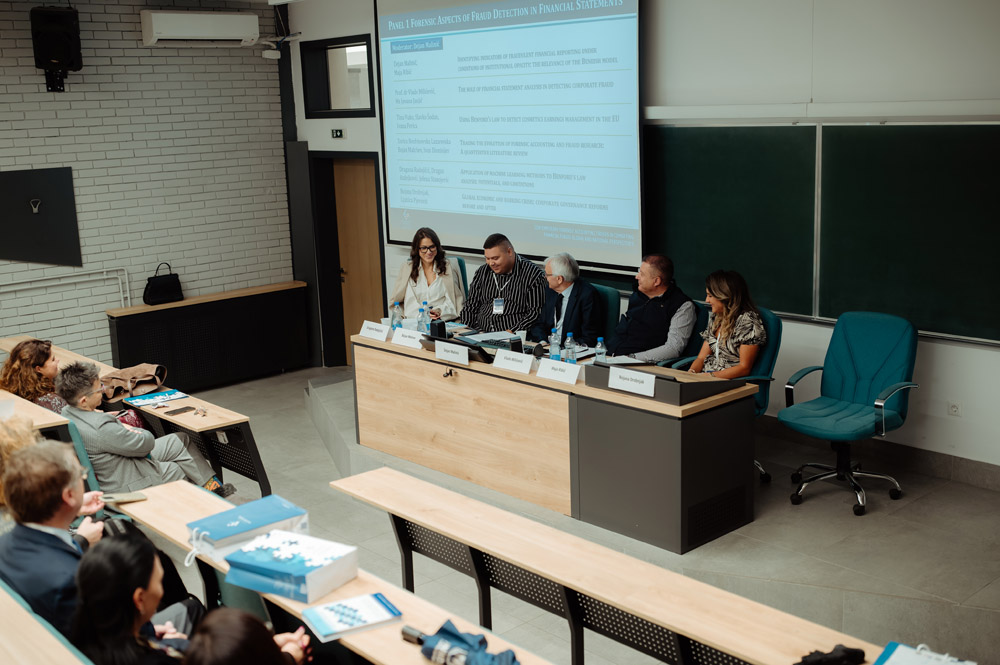
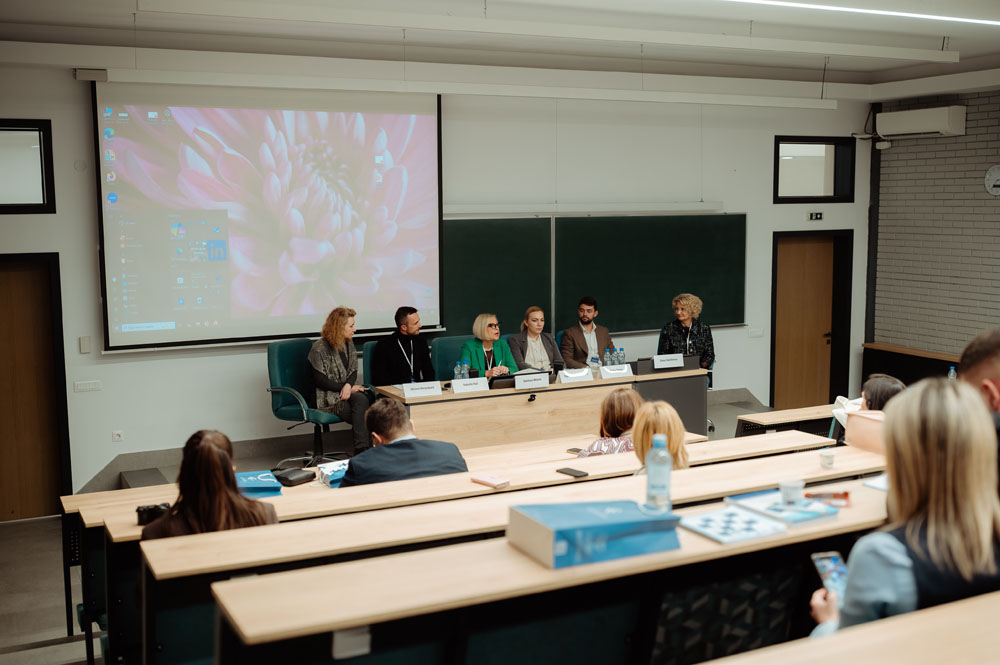
The conference program included thematic panels on prevention and detection of ESG related fraud, forensic aspects of identifying fraud in financial statements, forensic accounting capacities in the fight against corruption and regional perspectives on the development of forensic accounting. A total of 22 papers, authored by 51 researchers, were presented, offering diverse perspectives, research findings, and practical insights into current challenges and emerging trends in the fight against financial fraud.
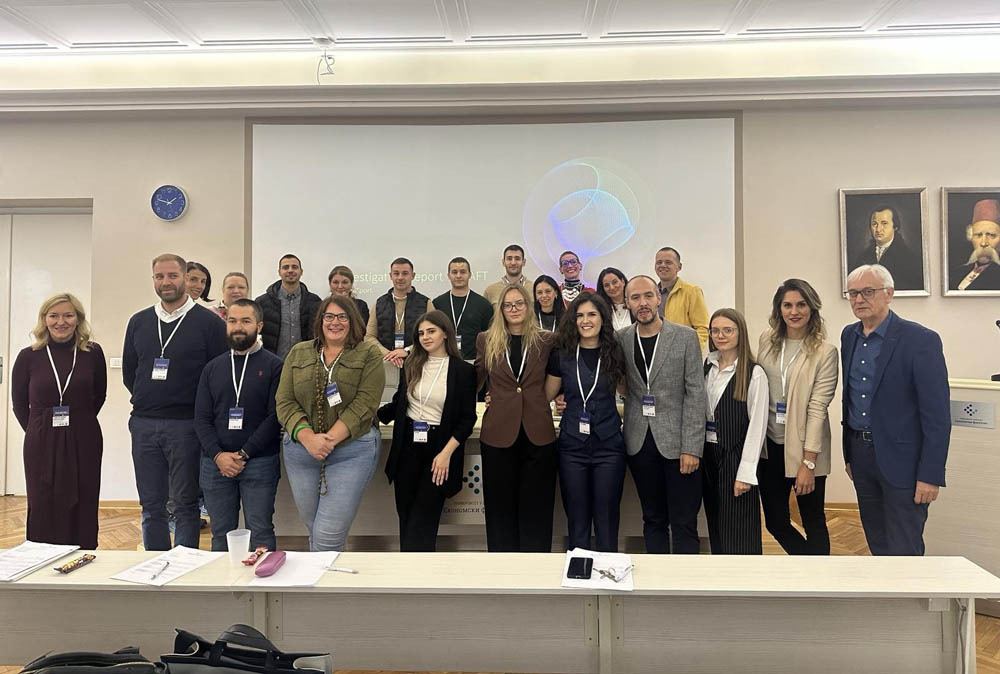
The international character of the conference was reflected in the participation of authors and keynote speakers from the United States, the United Kingdom, the Netherlands, Romania, Slovenia, Montenegro, North Macedonia, Bosnia and Herzegovina, Croatia, and Serbia. Their contributions enriched the discussion and underscored the importance of international cooperation, interdisciplinary approaches, and the exchange of knowledge and experience in advancing forensic accounting theory and practice.
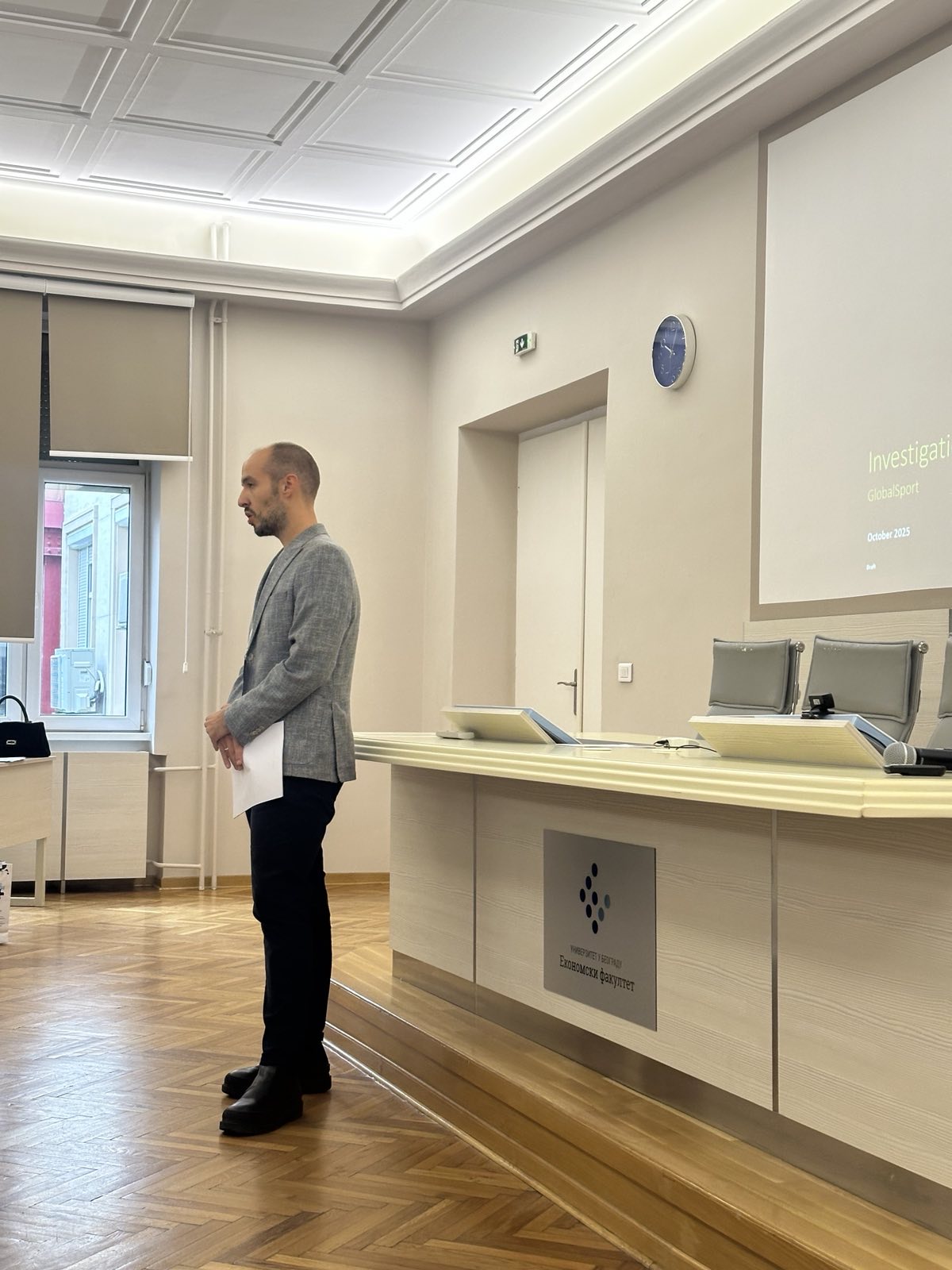
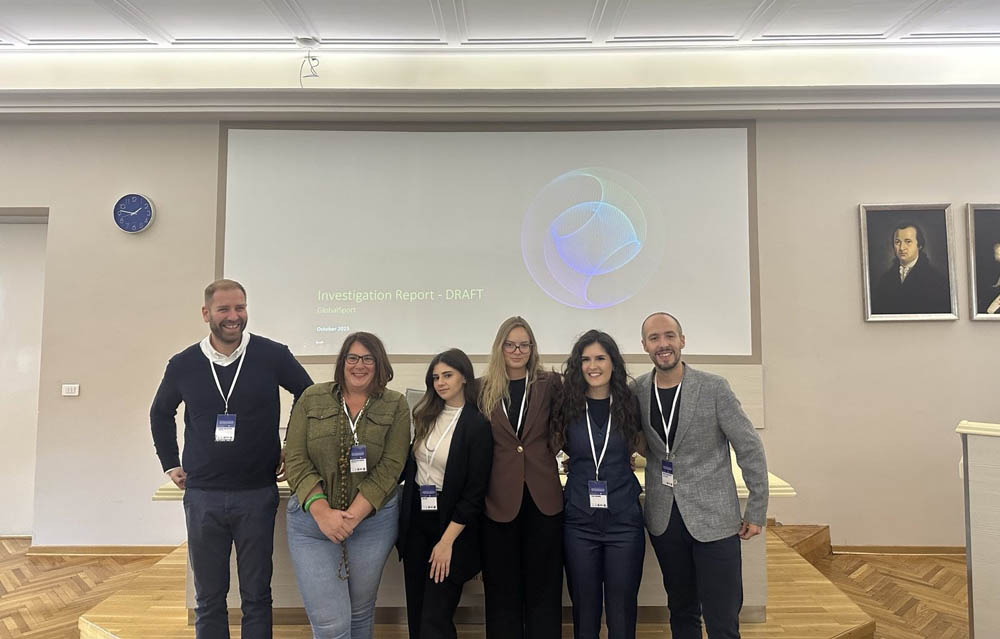
The second day of the conference included a Student Case Study Challenge developed in cooperation with Deloitte Serbia. Student teams analyzed a realistic financial fraud scenario using a combination of traditional forensic accounting techniques and innovative digital tools, including simulated interviews with AI-powered virtual agents. The challenge provided participants with a unique opportunity to apply theoretical knowledge to practical problem-solving in a dynamic and technology-enhanced environment.
Through its high-quality academic and professional program, international participation, and strong engagement with practice, the conference further strengthened the position of the Faculty of Economics and Business, University of Belgrade, as a regional hub for the development of forensic accounting knowledge, research, and professional competencies aimed at combating financial fraud and other forms of economic crime.


The conference provided a platform for discussing the growing role of forensic accounting in addressing financial fraud and other forms of economic crime, while showcasing current developments, emerging challenges, and best practices from both global and national perspectives. The event was organized within the framework of the project Building Forensic Accounting Capacity in Serbia, supported by the United States Bureau of International Narcotics and Law Enforcement Affairs.
A particular highlight of the conference was the plenary session, which featured distinguished international experts who addressed some of the most pressing issues in forensic accounting, market integrity, and anti-corruption efforts.
The opening plenary lecture was delivered by Professor Zabi Rezai of the University of Memphis, one of the world's leading authorities in forensic accounting and a researcher ranked among the top 2% of the most-cited scientists in the Stanford–Elsevier ranking. His presentation, The Use of Artificial Intelligence Technologies in Forensic Accounting, attracted considerable interest from participants. Professor Rezai explored the role of artificial intelligence in preventing and detecting financial statement fraud, examined the effectiveness of existing anti-fraud policies and practices, and demonstrated innovative applications such as Fraud-BERT in forensic accounting and fraud investigation.
The second plenary lecture was given by Professor Igor Lončarski of the University of Ljubljana, who addressed the topic Market Integrity Between Trust, Regulation, and Surveillance. His presentation highlighted the importance of reducing information asymmetries and moral hazard, the limitations of purely compliance-based approaches to regulation, and the growing significance of organizational culture, qualitative disclosures, surveillance mechanisms, and whistleblowing in strengthening market integrity.
The plenary session concluded with a lecture by Dr. Tena Prelec of the Centre for Advanced Studies, University of Rijeka, entitled Transnational Linkages: How Enablers, Corrosive Capital, and Networks Sustain Kleptocracy. Her presentation provided valuable insights into the international networks and mechanisms that facilitate corruption and kleptocratic practices, emphasizing the importance of cross-border cooperation and transparency in combating financial crime.
The conference program included thematic panels on prevention and detection of ESG related fraud, forensic aspects of identifying fraud in financial statements, forensic accounting capacities in the fight against corruption and regional perspectives on the development of forensic accounting. A total of 22 papers, authored by 51 researchers, were presented, offering diverse perspectives, research findings, and practical insights into current challenges and emerging trends in the fight against financial fraud.
The international character of the conference was reflected in the participation of authors and keynote speakers from the United States, the United Kingdom, the Netherlands, Romania, Slovenia, Montenegro, North Macedonia, Bosnia and Herzegovina, Croatia, and Serbia. Their contributions enriched the discussion and underscored the importance of international cooperation, interdisciplinary approaches, and the exchange of knowledge and experience in advancing forensic accounting theory and practice.
The second day of the conference included a Student Case Study Challenge developed in cooperation with Deloitte Serbia. Student teams analyzed a realistic financial fraud scenario using a combination of traditional forensic accounting techniques and innovative digital tools, including simulated interviews with AI-powered virtual agents. The challenge provided participants with a unique opportunity to apply theoretical knowledge to practical problem-solving in a dynamic and technology-enhanced environment.
Through its high-quality academic and professional program, international participation, and strong engagement with practice, the conference further strengthened the position of the Faculty of Economics and Business, University of Belgrade, as a regional hub for the development of forensic accounting knowledge, research, and professional competencies aimed at combating financial fraud and other forms of economic crime.
Photo Gallery